
Affordable eSIM Plans for Budget-Conscious Travelers
You’re standing in a foreign airport, eager to connect, and a cheap eSIM plan is your ticket to instant, affordable data. It works by letting you download a digital SIM card directly to your phone, bypassing the need to hunt for a physical store or pay exorbitant roaming fees. The best part is you can compare and activate a budget-friendly plan in minutes, keeping you online for maps and messages without breaking the bank.
Unlocking Affordable Mobile Data: How Low-Cost eSIMs Work
Cheap eSIM plans unlock affordable mobile data by bypassing physical SIM cards and their associated logistics. A low-cost eSIM works as a digital profile you download directly to a compatible smartphone, allowing instant activation on a local network without visiting a store. These plans cut costs by eliminating plastic manufacturing and shipping, and often leverage bulk agreements with regional carriers to offer data at lower per-gigabyte rates. You purchase a plan online, scan or install a QR code, and the profile configures itself, typically requiring no multi-step setup. Many cheap eSIM plans are data-only, so your existing number for calls stays active on your physical SIM slot, preventing roaming charges for voice while you use inexpensive local data for maps and messaging.
What Makes an eSIM Different from a Physical SIM Card
An eSIM differs from a physical SIM card because it is a embedded digital profile, not a removable chip. You cannot swap it between devices by hand; instead, you download a carrier profile via software. For cheap plans, this eliminates shipping costs and allows instant activation. While a physical SIM physically occupies a tray and can be lost, an eSIM is soldered into your phone’s motherboard, freeing that slot for a second physical SIM. Switching low-cost plans only requires scanning a QR code, not waiting for a new card to arrive.
Why Digital SIMs Are Often Cheaper Than Traditional Plans
Digital SIMs cut costs by eliminating physical materials, shipping, and retail overhead. Instead of a plastic card, your profile downloads instantly, letting providers bypass logistics entirely. This savings passes to you. Cheap eSIM plans thrive on bundled data from global wholesale networks, avoiding expensive roaming agreements. The process directly reduces your bill through:
- No manufacturing or distribution fees for physical cards.
- Ability to switch providers instantly to grab local discounts.
- Access to bulk-purchased data from regional carriers.
Key Carriers Offering Budget-Friendly Global eSIM Packages
For travelers chasing budget-friendly global eSIM packages, key carriers like Airalo, Holafly, and Nomad deliver immediate savings. Airalo offers region-specific plans starting under $5, letting you activate data in over 190 countries without roaming fees. Holafly’s unlimited data passes often cost less than a single café meal, while Nomad bundles multi-country coverage at flat rates that undercut traditional carrier add-ons. These providers let you compare prices per gigabyte upfront, install the eSIM in minutes, and keep your home number active—all without contracts. You gain predictable, low-cost connectivity whether hopping continents or staying a week.
Key carriers like Airalo, Holafly, and Nomad now offer global eSIM packages priced below $5, giving travelers cheap, contract-free data without surprise charges.
Comparing the Most Value-Driven eSIM Providers Right Now
For cheap eSIM plans right now, Airalo delivers strong value for regional travel, often undercutting competitors with bundling discounts, though its data-only focus can be limiting. Maya Mobile offers competitive local pricing with priority access to Tier-1 networks, making it ideal for stable, low-cost connections. Yesim excels in ultra-budget markets with top-up flexibility and no expiration, while Ubigi provides the cheapest multi-GB packages for Japan and Europe. For pure prepaid value, Holafly includes unlimited data but at a higher per-day cost than these rivals, so compare per-GB rates first.
Airalo vs. Holafly: Which Has Better Rates for Travelers?
When comparing cheap eSIM plans, Airalo typically offers lower base rates for data-only packages, making it ideal for budget-conscious travelers needing light connectivity. Holafly, however, provides better value for heavy users through its unlimited data plans with fixed daily rates. The choice hinges on usage patterns: Airalo wins for short, low-data trips, while Holafly excels for constant streaming or navigation. For guided decision-making, consider this cost-per-gigabyte comparison for travelers:
- Estimate your daily data needs (e.g., under 1GB vs. over 3GB).
- Check Airalo’s regional packs for cost-efficient tiered data.
- Compare Holafly’s unlimited daily rate against Airalo’s top-up costs for high usage.
Regional Players Like Ubigi and Nomad That Slash Costs
Regional players like Ubigi and Nomad that slash costs achieve savings through targeted network agreements, bypassing global roaming markups. Ubigi offers competitive regional bundles, such as affordable Japan and Asia-Pacific plans, where per-GB prices drop significantly compared to major carriers. Nomad similarly provides low-cost regional passes for Europe or the Americas, often beating larger eSIM providers on price for specific zones. Cost efficiency comes from buying only the region you need, avoiding expensive worldwide blanket plans.
- Ubigi’s Japan-specific eSIM costs under $3 for 1GB, ideal for short trips without overpaying.
- Nomad’s Europe multi-country plan rates below $1.50/GB for longer stays.
- Both allow top-ups, so you purchase only enough data for your itinerary’s region.
Hidden Fees to Watch For When Picking a Discounted eSIM
When hunting for cheap eSIM plans, a rock-bottom price tag often hides sneaky costs. Some providers charge a one-time “activation fee” that inflates the total you actually pay. Others apply a daily connectivity fee if you add data mid-plan, turning a bargain into a budget-buster. Always check if your initial purchase includes full or throttled speeds; many discounted plans switch to painfully slow 2G after a small data bucket runs out. Finally, watch for top-up minimums—paying $10 to add $2 of data leaves you locked into their ecosystem.
- Activation fees added at checkout
- Daily or weekly “service” charges on low-cost plans
- Speed-throttling after initial data cap
- High minimum amounts on top-up purchases
Maximizing Savings on Data-Only eSIMs for Short Trips
To maximize savings on data-only eSIMs for short trips, prioritize plans with regional bundles instead of individual country passes, which often cost triple the price. Stick to 1GB–3GB caps since short trips rarely require more, and avoid auto-renewals that drain leftover credit. Choose providers offering no-expiry data within a 7–15 day window; this prevents paying for unused days. Always download offline maps and preload essential apps before activating the cheap eSIM plan to slash real-time data use. Lastly, toggle data roaming off when not actively navigating or messaging—every megabyte matters when stretching a budget-friendly pack.
Best Strategies for Buying Temporary Plans Without Overspending
To avoid overspending on temporary data, first audit your actual needs: a 1GB plan often suffices for maps and messaging over a 3-day trip. Leverage plan-stacking by buying a minimal base plan for connectivity, then adding a cheap top-up for high-use days. Compare per-GB cost across providers, not total price, as smaller plans have higher markups. Time your activation for departure day to prevent wasted days.
What is the single best strategy to ensure you don’t overspend on a temporary eSIM? Always purchase a plan that offers full-speed data with a strict daily cap, rather than an unlimited plan that throttles after a tiny threshold, as the latter often costs more for far less usable data.
How to Pick the Right Data Allowance for Your Needs
To pick the right data allowance for your short trip, first audit your real usage: streaming video consumes ~1GB per hour, while messaging uses negligible data. For a 3–5 day city break, a 3GB plan usually suffices if you rely on Wi-Fi at lodgings. For navigation and social media only, a 1GB plan is often adequate. Overestimating wastes money; underestimating leads to costly top-ups.
- Estimate daily usage by checking your phone’s data tracker from a typical day.
- Choose a plan with 1–3GB for general browsing and maps, or 5GB+ for heavy streaming.
- Don’t pick the smallest allowance if you need to upload photos or use video calls.
Using Wi-Fi Hotspots to Stretch Your eSIM Data Further
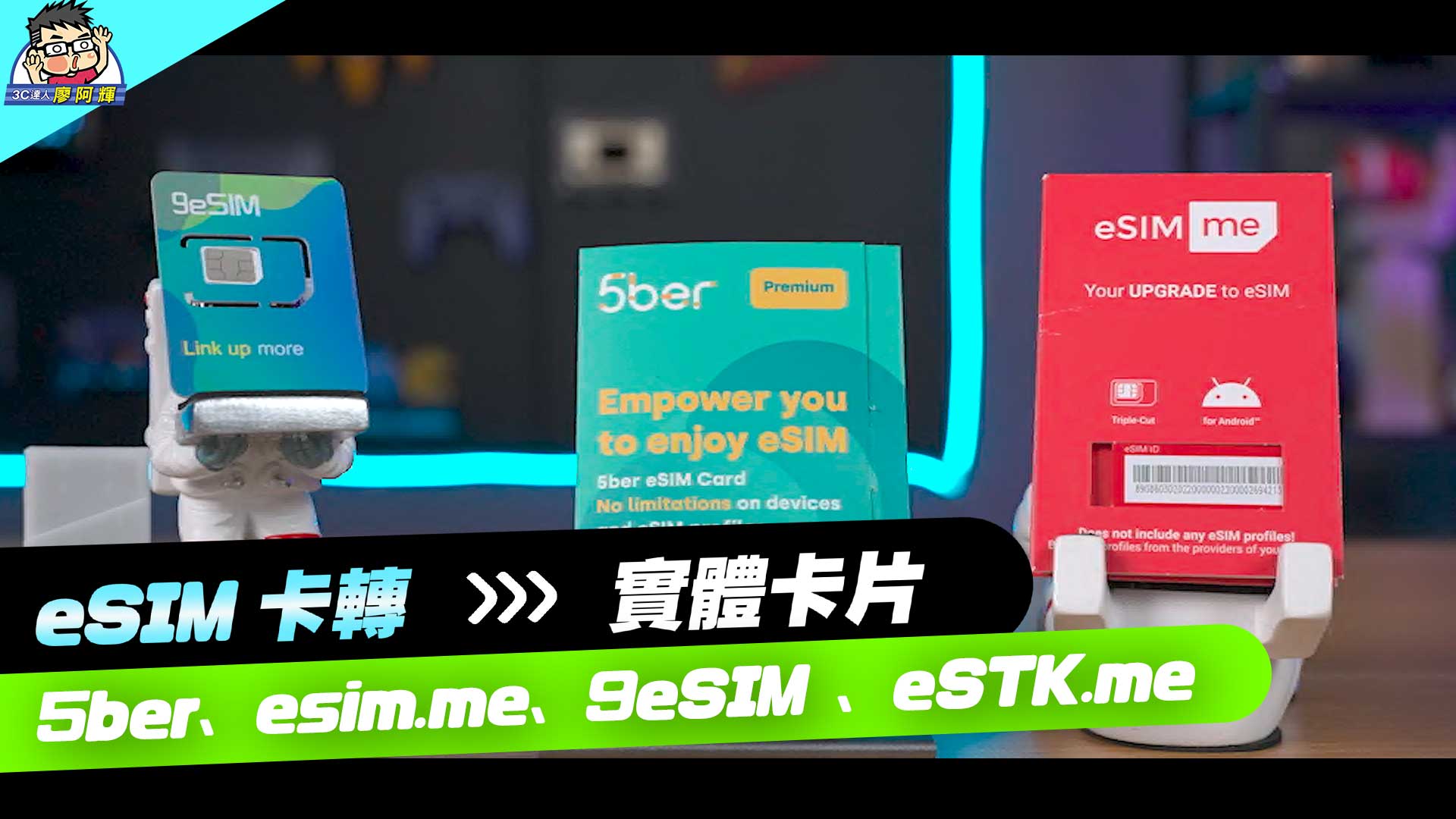
To stretch your eSIM data further on short trips, deliberately offload heavy usage onto Wi-Fi hotspots. Save your mobile data for navigation or quick checks by connecting to hotel, café, or airport Wi-Fi for streaming and social media. This strategy prevents depleting your cheap plan before the trip ends. Using Wi-Fi Hotspots to Stretch Your eSIM Data Further is the most effective way to avoid expensive top-ups.
- Turn off mobile data when within range of a known secure hotspot.
- Pre-download offline maps and content while on Wi-Fi before leaving.
- Only enable eSIM data for instant needs like payment or ride-hailing apps.
Long-Term eSIM Deals That Beat Monthly Contracts
For truly cheap eSIM plans, committing to a long-term deal dramatically undercuts the cost of rolling monthly contracts. Instead of paying a premium for flexibility you may not need, a 12-month plan often halves the per-GB price. This locks in a fixed, low rate that insulates you from price hikes.
You pay once upfront for a year’s worth of data, effectively securing a massive discount that no monthly plan can match.
For travelers or remote workers with stable needs, this eliminates the risk of bill shock and gives you predictable connectivity without any hidden renewal fees.
Prepaid Options That Offer Stability Without Long Commitments
Prepaid eSIM options provide price stability without locking users into annual contracts. By paying upfront for a set data allowance—often valid for 30 to 90 days—travelers and minimalists avoid fluctuating rates and hidden fees. Prepaid eSIM stability comes from fixed, non-recurring costs, making budget management predictable. Users can simply recharge before expiry rather than renewing an auto-renewing subscription. This suits those who want consistent service for a defined period, then pause spending entirely, contrasting with monthly plans that demand ongoing payment regardless of usage.
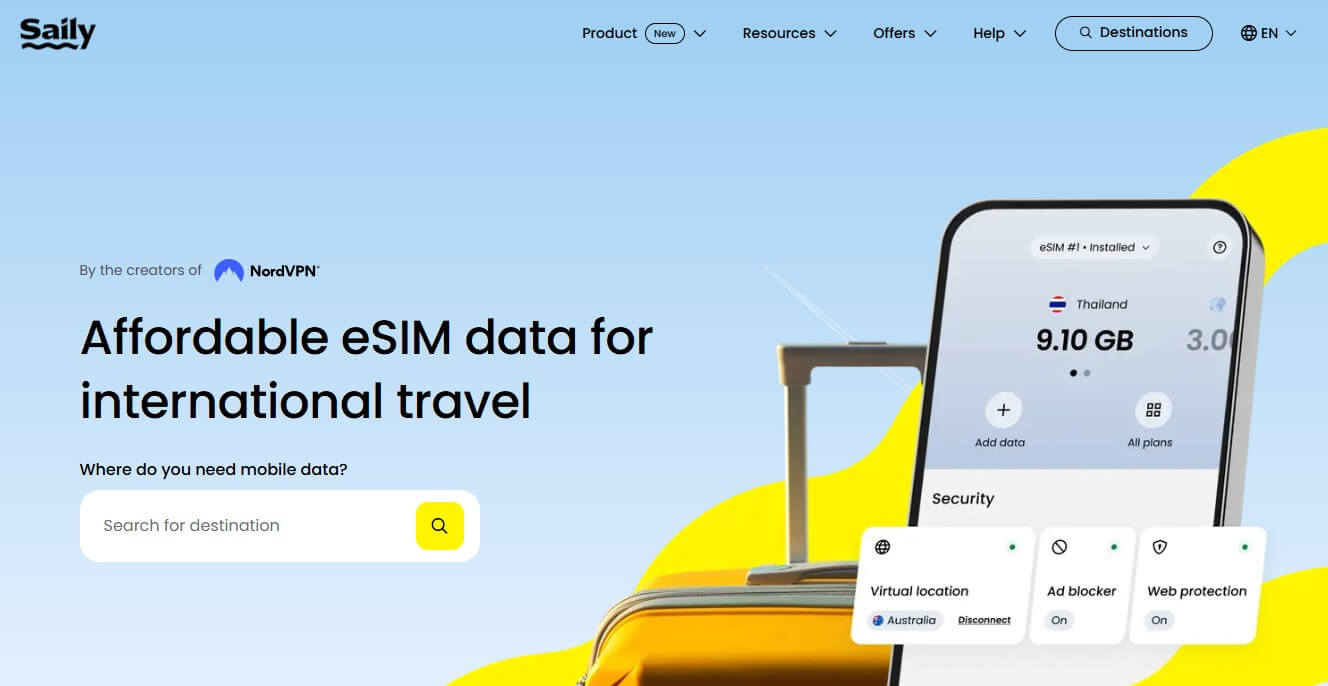
Prepaid eSIMs deliver cost certainty and flexibility, offering stable service for a fixed duration without the burden of long-term commitments.
Comparing Annual Plans from Major Global Carriers
When comparing annual plans from major global carriers like T-Mobile or Vodafone, focus on the total data allowance versus monthly rollover policies. A 100GB yearly plan often costs less than 10GB monthly contracts, but check if unused data expires entirely or accumulates. Annual eSIM pricing from these carriers typically includes regional roaming, so verify that your primary destination is covered under the same plan tier. Carriers like Orange or Three may offer matched speeds, while budget options cap 4G/5G access. Always confirm whether the annual fee locks the rate or if taxes are added at checkout.
Comparing annual plans from major global carriers requires balancing upfront cost, data expiry rules, and regional coverage to secure the cheapest long-term eSIM deal.
How to Lock in Low Prices With Multi-Month Bundles
To lock in low prices with multi-month bundles, choose an eSIM provider offering bulk data for three, six, or twelve months. First, calculate your average monthly data usage to avoid overbuying. Then, select a bundle like 30GB for 365 days to secure a significantly lower per-GB cost than monthly top-ups. Finally, activate the bundle immediately, and ensure your eSIM allows rollover data for unused capacity. This strategy protects you against seasonal price hikes and reduces administrative hassle.
- Assess your typical monthly consumption using your phone’s data tracker.
- Compare per-unit rates of multi-month bundles versus single-month plans.
- Confirm the eSIM supports automatic reactivation without hidden fees.
Finding Budget eSIMs for Specific Regions and Countries
To find budget eSIMs for specific regions, use aggregate comparison platforms like esimdb or esim.net to filter prices by country. For European travel, regional eSIM plans covering multiple EU nations are often cheaper than single-country options. For Asia, prioritize local providers like Airalo’s local packs or HolaFly for drastically lower rates than global roaming. In the Middle East or Africa, check prepaid eSIM resellers like Ubigi for targeted regional data buckets. Always verify coverage in your exact destination, as budget regional eSIMs may exclude remote areas. Opt for a limited data allowance, like 1GB for 7 days, to keep costs under $5 while confirming network access.
Top Affordable Choices for Europe, Asia, and North America
For Europe, top affordable eSIM choices like Airalo’s regional Europe plan and Ubigi offer reliable coverage from €5 for 1GB, ideal for short hops. In Asia, pick Holafly’s unlimited data for Japan or Nomad’s pay-as-you-go for Thailand, starting at $4. Across North America, Tello and Keepgo provide budget-friendly US-only or Canada-Mexico data packs under $10 for a week.
Airalo for Europe, Holafly for Asia, and Tello for North America deliver the best cheap eSIM deals per region.
Local vs. Regional Plans: Which One Saves You More Money?
When comparing local vs. regional eSIM plans, the cost savings depend entirely on your travel route. A local plan for a single country is almost always cheaper per gigabyte than a regional plan covering multiple nations, as you avoid paying for cross-border roaming infrastructure. However, if you cross even one border, the activation cost of a second local plan often exceeds the higher per-GB price of a single regional plan. For a two-week trip staying in one city, a local plan saves money; for a multi-country train journey, the regional plan wins on total spend.
| Scenario | Better Value | Why |
|---|---|---|
| Single country stay (5+ days) | Local Plan | Lower per-GB rate, no wasted regional coverage |
| Multi-country trip (2+ borders) | Regional Plan | Avoids multiple local activation fees and data gaps |
Using Aggregator Sites to Spot the Lowest Regional Rates
Aggregator sites are your secret weapon for unearthing the absolute cheapest eSIMs, instantly comparing dozens of plans for a specific region. Instead of hopping between provider pages, you can scan a single dashboard to spot the lowest regional rates for your travel dates. These platforms filter by data volume, duration, and price, often revealing hidden budget gems from local carriers that major brands ignore. One click can show you a 5GB, 30-day regional plan for half the cost of a competitor, letting you lock in the best value before you even board your flight.
What to Look for in Activating a Low-Cost eSIM
When activating a low-cost eSIM, prioritize instant activation steps to avoid hidden fees. Confirm the provider sends a quick QR code or manual entry details via email immediately after purchase. Check if installation requires a stable Wi-Fi connection, as mobile data may not work until the profile loads. Verify that the activation window matches your travel dates; some budget plans auto-start on purchase, wasting days. Finally, test the connection immediately by toggling airplane mode.
- Ensure the QR code or activation link is delivered within minutes, not hours.
- Confirm if the eSIM profile must be installed before or after arriving in the destination region.
- Verify there is no mandatory top-up or account credit required to unlock the initial data allowance.
How to Avoid Compatibility Issues With Older Phones
To avoid compatibility issues when using cheap eSIMs with older phones, first verify your device supports Japan eSIM eSIM profiles, as models before the iPhone XS or Samsung S20 often lack the necessary hardware. Check your phone’s IMEI on the carrier’s compatibility page before purchasing. For region-specific budget plans, ensure the eSIM uses a standard QR activation method, as older phones may not support proprietary app-based setups.
- Confirm your phone’s operating system is updated to a version that enables eSIM management.
- Choose eSIMs that allow manual profile installation via settings, not just auto-downloads.
- Avoid multi-profile eSIMs if your older phone only supports one active profile at a time.
Quick Troubleshooting Tips for Budget eSIM Connections
If your budget eSIM isn’t connecting right away, first toggle airplane mode on and off to force a network refresh. For quick troubleshooting on budget eSIMs, manually select your provider in your phone’s cellular settings instead of relying on automatic registration. Ensure data roaming is turned on—even for local plans this is often required. Double-check your activation window; a prepaid eSIM won’t work if you’re trying to activate it before the start date. If all else fails, restart your device to clear any temporary network hiccups.
User Reviews and Reddit Tips on the Most Cost-Effective eSIMs
Reddit communities consistently highlight that the most cost-effective eSIMs are often regional data packs for short trips, with users citing Airalo for global coverage but warning its local plans can be pricier than regional alternatives. For cheap eSIM plans in Europe, travelers frequently recommend Yesim and Nomad for their budget-friendly multi-country passes, while South American destinations see strong praise for Holafly’s unlimited data offers when purchased directly from their site. Key Reddit tips emphasize checking expiry dates carefully, as many cheap plans require activation within 30 days, and searching promo codes before checkout to slash costs further. Frequent travelers advise against buying directly from major carriers’ eSIMs unless you need native network priority, as third-party providers often provide better value for short stays.
Frequent Complaints About Cheap Plans and How to Dodge Them
Cheap eSIM plans often get slammed for throttled speeds after a few gigs or short expiry windows. To dodge these headaches, always check the “fair usage policy” before buying and prioritize plans with daily data caps over a total limit. Users on Reddit also complain about hidden activation fees, so stick to providers that advertise all-in pricing upfront. For a smooth ride, verify plan terms on third-party review sites to catch pitfalls others missed.
- Throttled speeds: Choose plans with “full speed” guarantees rather than “unlimited” with fine print.
- Short expiry: Buy a 30-day plan even for a short trip to avoid mid-tour recharges.
- Hidden fees: Use promo codes from Reddit threads to waive activation costs.
- Poor support: Pick eSIMs with in-app chat, not just email, for quick fixes.
Redditors’ Favorite Hidden-Gem eSIM Brands for Tight Budgets
When you’re broke but need data, Redditors swear by hidden-gem eSIM brands like Airalo’s cheap regional packs or the lesser-known BNESIM, which often scores praise for its pay-as-you-go model. Ubigi also pops up as a solid budget pick, especially for short trips, with users recommending stacking their free trial allowances. Folks on r/eSIMs constantly shout out Mobimatter for slashing costs on global plans, while Nomad eSIM gets love for random flash sales. Just remember to hunt for promo codes in comment threads before you buy—that’s how the real savings happen.
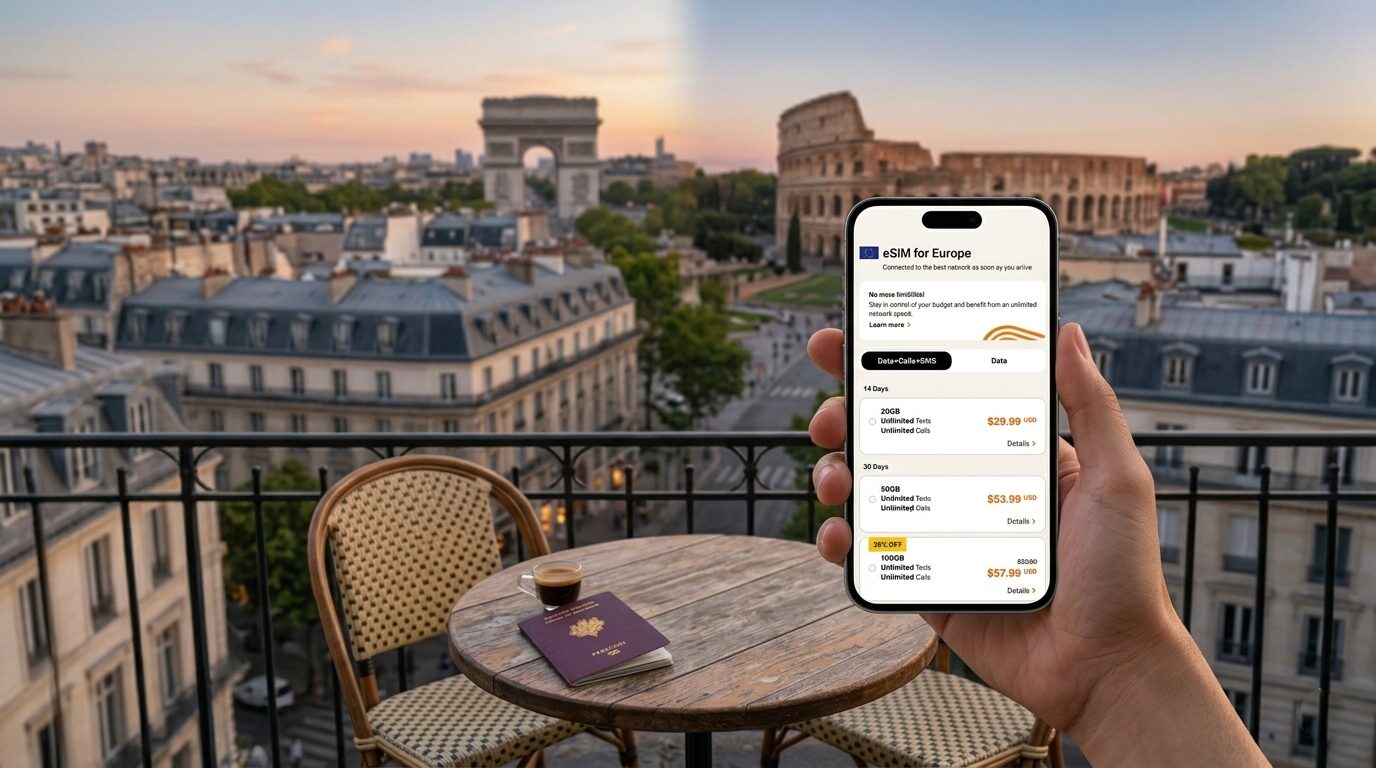
Rating the Top Discount eSIMs by Network Speed and Reliability
When rating discount eSIMs, Redditors prioritize network speed and reliability above price. For budget travel eSIMs like Airalo, Ubigi, and Nomad, users consistently report that Airalo’s “Discover” plan offers stable 4G LTE on primary networks but slows during peak hours. Ubigi often wins for speed in Japan and Europe, with throttling rarely reported. Nomad’s multi-network routing improves reliability in weak-signal zones. To compare, follow this sequence from user tests:
- Check Reddit’s “r/eSIMs” for recent speed tests in your destination.
- Prioritize eSIMs using local Tier-1 carriers (e.g., T-Mobile in the US).
- Avoid plans with “unlimited data” under $5—they almost always deprioritize speed.
This approach filters discount options that actually maintain usable speeds.